





Introduction
Apex Legends is one of the most mechanically demanding battle royale games ever created. Unlike many shooters where superior aim alone can carry players to victory, Apex combines movement, positioning, team coordination, ability usage, map awareness, and resource management into a single competitive package. This complexity is why many players become stuck at the same skill level despite spending hundreds of hours in the game.
A common misconception is that winning in Apex is about collecting the best loot or securing the most kills. In reality, consistent success comes from making better decisions throughout the match. Professional and high-ranked players often survive longer not because they shoot better, but because they understand where to land, when to fight, when to rotate, and how to control engagements before they begin.
This guide focuses on a complete match progression strategy. Rather than offering random tips, it follows the natural timeline of an Apex Legends match—from legend selection and drop planning to endgame decision-making. By mastering each stage, players can dramatically increase both survival rates and win percentages.
How to Choose the Right Legend Before the Match Starts
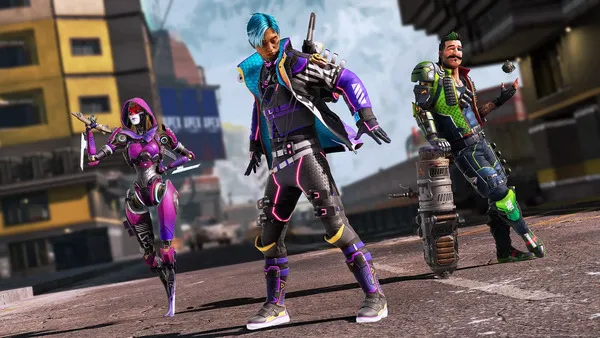
Legend selection is the first decision that influences the outcome of a match. Many players choose legends based solely on popularity or personal preference. While enjoying a character is important, understanding how a legend contributes to team success is even more valuable.
Every legend fills a specific role. Some excel at gathering information, others specialize in mobility, while some dominate defensive positions. A balanced squad generally performs more consistently because it can adapt to different situations throughout the match.
Understanding Team Roles
Recon Legends
- Gather enemy information
- Scan zones
- Improve rotation planning
Assault Legends
- Create pressure
- Win direct engagements
- Secure eliminations
Support Legends
- Sustain teammates
- Recover from mistakes
- Improve long-term survival
A team with complementary abilities usually has more options than a team built entirely around aggression.
Avoiding Common Selection Mistakes
Many players select legends without considering squad composition. While individual skill matters, strong synergy often wins close fights.
Think about what your team lacks rather than simply choosing your favorite character every match.
How to Master the Landing Phase
The first few minutes often determine whether a match becomes successful or frustrating. Landing too aggressively can lead to immediate elimination, while landing too passively may leave the squad under-equipped.
Successful players choose landing zones that balance safety and loot quality. The ideal location provides enough resources for the squad without forcing multiple early fights.
Characteristics of Strong Landing Zones
- Multiple loot buildings
- Nearby rotation options
- Moderate enemy presence
- Access to crafting stations
- Good terrain visibility
Landing decisions should be intentional rather than random.
Understanding Contest Risk
Hot drops can improve combat experience but often reduce overall survival rates. Newer players benefit more from controlled engagements than chaotic early-game battles.
Winning one early fight is helpful. Surviving to the late game is usually more important.
How to Loot Faster Than Other Players
Looting efficiency separates average players from advanced players. Many deaths occur because players spend too much time searching buildings instead of preparing for combat.
Fast looting requires understanding priorities. Not every item deserves attention. The goal is to become combat-ready as quickly as possible.
Early Loot Priorities
Essential Items
- Weapon
- Armor
- Ammunition
- Healing items
- Attachments
Players should prioritize function over perfection.
A basic weapon is better than searching endlessly for an ideal loadout.
Developing Efficient Loot Habits
Avoid checking every container after securing essential gear. Once equipped, begin gathering information and preparing for future engagements.
Loot should support combat, not delay it.
How to Win More Early-Game Fights
Early-game combat often feels chaotic because resources are limited and positioning constantly changes. However, successful squads approach these fights with structure.
Many players focus entirely on damage output. Experienced players focus on creating advantages before firing a shot.
Creating Early Advantages
Key factors include:
- High ground control
- Crossfire positioning
- Information gathering
- Isolating enemies
- Coordinated pushes
The squad that creates favorable conditions often wins regardless of mechanical skill.
Avoiding Overcommitment
One of the biggest mistakes is chasing low-health enemies too aggressively. Pursuing eliminations without considering surrounding threats frequently leads to third-party attacks.
Discipline wins more fights than recklessness.
How to Rotate Safely Across the Map
Rotations become increasingly important as the match progresses. Poor rotations force squads into difficult fights, unfavorable terrain, and dangerous ring positions.
Strong players constantly think ahead rather than reacting at the last moment.
Rotation Principles
Prioritize
- Ring position
- Terrain advantage
- Cover availability
- Escape routes
- Information gathering
Rotating early often provides more options than rotating late.
Reading the Match Flow
Observe gunfire, care packages, and enemy movement patterns. These clues reveal where fights are happening and where danger may emerge next.
Information is one of the strongest resources in Apex Legends.
How to Manage Resources Throughout the Match
Many players lose because they either carry too much unnecessary equipment or fail to prepare for extended fights.
Inventory management directly impacts survival.
Balanced Inventory Structure
A strong inventory generally includes:
- Adequate ammunition
- Shield cells
- Batteries
- Med kits
- Grenades
Every slot should serve a purpose.
Understanding Resource Value
Late-game resources become more valuable than early-game resources because opportunities to replenish supplies decrease.
Experienced players constantly evaluate whether inventory choices support future engagements.
Preparation often determines who survives prolonged battles.
How to Use Team Communication Effectively
Communication is one of the strongest advantages available to any squad. Even average players can outperform mechanically superior opponents through better coordination.
The best communication is concise and actionable.
Important Information to Share
Callouts Should Include
- Enemy locations
- Shield status
- Rotation plans
- Loot opportunities
- Ultimate availability
Clear communication prevents confusion during intense fights.
Avoiding Communication Overload
Too much talking can become distracting. Important information should be prioritized over emotional reactions.
Effective communication creates confidence and coordination.
How to Survive Third Parties
Third parties are one of the defining features of Apex Legends. Because combat attracts attention, nearly every extended fight risks interference from additional squads.
Understanding third-party management is essential for ranking up consistently.
Reducing Third-Party Risk
Strategies include:
- Ending fights quickly
- Repositioning after victories
- Avoiding unnecessary noise
- Maintaining defensive resources
- Watching surrounding areas
The best time to prepare for a third party is before it arrives.
Recognizing Danger Signs
Multiple gunfire sources, nearby movement sounds, and delayed engagements often indicate incoming squads.
Winning a fight means little if another team immediately eliminates your weakened squad.
How to Play the Final Circles Correctly
The final circles transform Apex from a battle royale into a positioning game. Mechanical skill still matters, but decision-making becomes even more important.
Many players reach the top five consistently but struggle to secure victories because they approach endgames incorrectly.
Endgame Priorities
Focus On
- Position first
- Damage second
- Eliminations third
Holding superior terrain frequently matters more than securing additional kills.
Understanding Zone Control
Late-game success often depends on controlling space rather than chasing fights.
Players who force enemies into bad positions gain significant advantages before combat begins.
Patience becomes increasingly valuable during the final circles.
How to Develop a Winning Mindset for Long-Term Improvement
Improvement in Apex Legends rarely happens through mechanical practice alone. The strongest players review mistakes, adapt strategies, and continuously refine decision-making.
Every loss contains useful information.
Building Consistent Habits
Successful players focus on:
- Reviewing positioning mistakes
- Improving communication
- Studying rotations
- Managing resources better
- Practicing movement efficiently
Small improvements accumulate over time.
The Difference Between Good and Great Players
Great players rarely blame luck for their results. Instead, they analyze what could have been done differently.
This mindset accelerates growth because it transforms failures into learning opportunities.
A player who consistently improves decision-making will eventually outperform players who rely solely on aim.
Conclusion
Apex Legends is far more than a shooting game. While strong mechanics certainly help, the players who consistently reach the final circles and secure victories understand that success comes from intelligent decision-making at every stage of the match. From choosing the right legend and landing location to managing resources, rotating efficiently, surviving third parties, and controlling the endgame, every choice contributes to the final outcome.
The most successful players treat each match as a sequence of decisions rather than a series of gunfights. By mastering the principles outlined in this guide, players can improve not only their win rate but also their overall understanding of Apex Legends' strategic depth. Over time, better habits lead to better positioning, better fights, and ultimately more victories.