
Hogwarts Legacy is more than a magical open‑world adventure. Beneath its spells, classes, and breathtaking landscapes lies a profound narrative thread that many players overlook: the ethical, emotional, and political weight of Ancient Magic — a rare power that only the protagonist can wield.
This article explores the Ancient Magic dilemma in depth, analyzing how the game presents themes of power, responsibility, secrecy, and identity. Through ten chronological and thematic sections, we’ll uncover how this issue evolves and shapes the player’s journey.
1. The First Spark: Discovering Ancient Magic
In the earliest hours of the game, Ancient Magic is introduced as a mysterious force visible only to the protagonist. It is not framed as a blessing but as an anomaly — something even experienced wizards like Professor Fig cannot fully understand.
This moment establishes the protagonist as an outsider. While other students worry about homework or Quidditch, the player is thrust into a secretive path that immediately sets them apart.
The Weight of Being “Chosen”
Unlike many hero narratives, the protagonist never asks for greatness. Ancient Magic chooses them, and that lack of agency becomes a recurring theme.
2. The Mentor’s Shadow: Professor Fig’s Influence
Professor Fig becomes the protagonist’s closest ally, yet his motivations are never entirely transparent. His personal connection to Ancient Magic — through his late wife Miriam — creates a tension between mentorship and obsession.
This dynamic complicates the Ancient Magic dilemma. Is Fig guiding the protagonist for their sake, or is he trying to complete Miriam’s unfinished work through them?
Signs of Fig’s Internal Conflict
- His reluctance to involve the Ministry
- His secrecy about Miriam’s research
- His emotional reactions to Ancient Magic sites
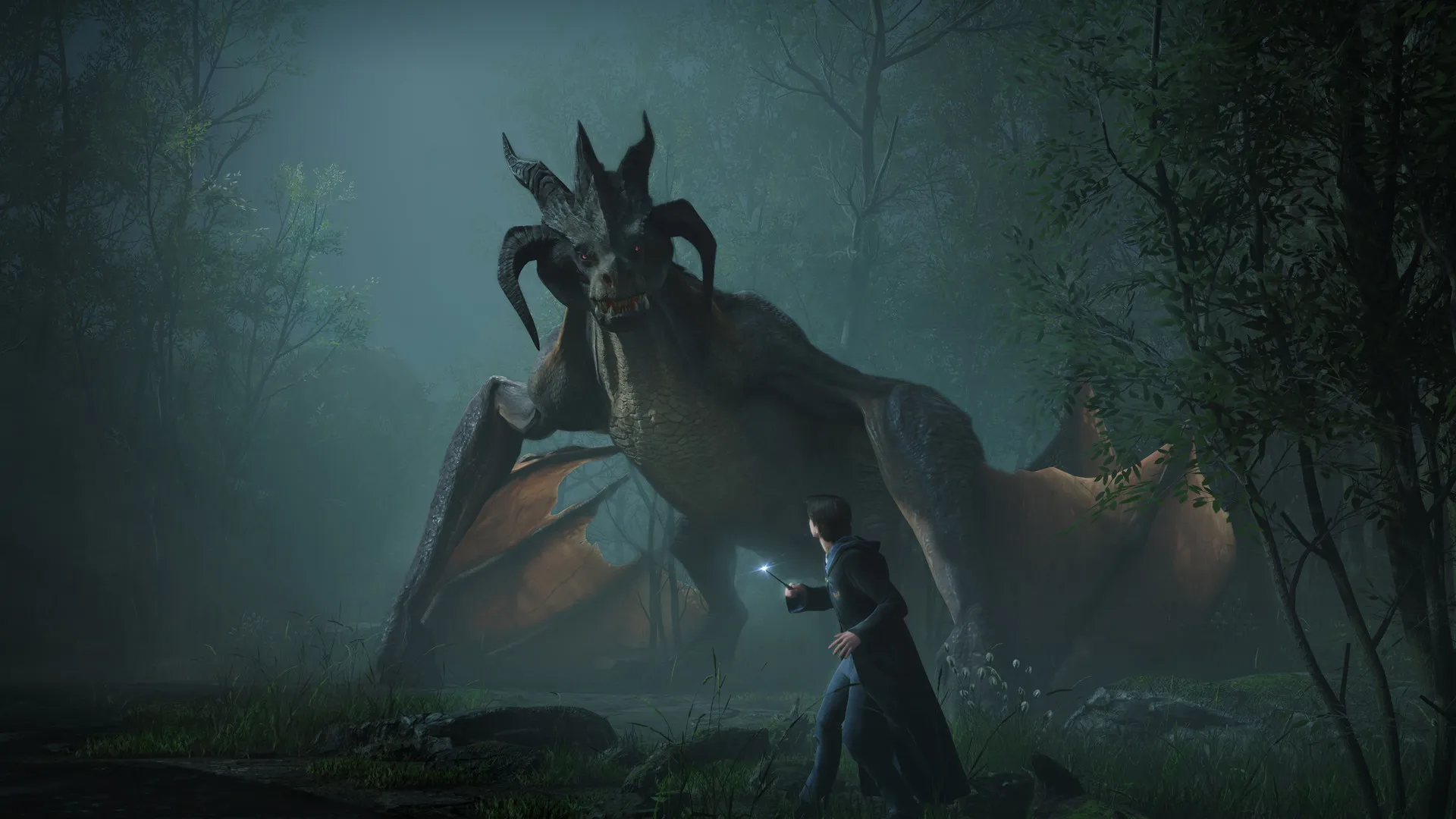
3. The Keepers’ Legacy: A Burden Passed Down
The Keepers — Isidora, Percival, Charles, Niamh, and San Bakar — represent the ancient guardians of Ancient Magic. Their memories reveal a fractured past filled with disagreements about how the power should be used.
These visions serve as warnings. They mirror the protagonist’s own struggle: Should Ancient Magic be used to help others, or should it be locked away forever?
Isidora’s Tragic Descent
Isidora’s story is the emotional core of the dilemma. Her attempt to remove pain from others begins with compassion but spirals into manipulation and harm.
4. The Temptation of Power: Ancient Magic in Combat
Mechanically, Ancient Magic is one of the most powerful tools in the game. It allows players to obliterate enemies instantly, bypassing normal spellcasting limitations. This creates a fascinating tension: the narrative warns against abusing Ancient Magic, yet the gameplay rewards its use.
This contradiction mirrors the seductive nature of power. The more players use Ancient Magic, the harder it becomes to resist.
Examples of Temptation
- One‑shot kills that trivialize tough encounters
- Flashy, exhilarating visual effects
- Cooldown mechanics that encourage frequent use
5. The Goblin Rebellion: Ranrok’s Obsession
Ranrok, the game’s primary antagonist, seeks Ancient Magic for reasons more complex than simple villainy. He believes it can liberate goblins from centuries of oppression.
This parallel forces players to confront uncomfortable questions. If Ancient Magic can help an oppressed group, is it inherently wrong to pursue it?
Shared Traits Between Ranrok and the Protagonist
- Both can sense Ancient Magic
- Both feel misunderstood by wizard society
- Both are driven by personal loss
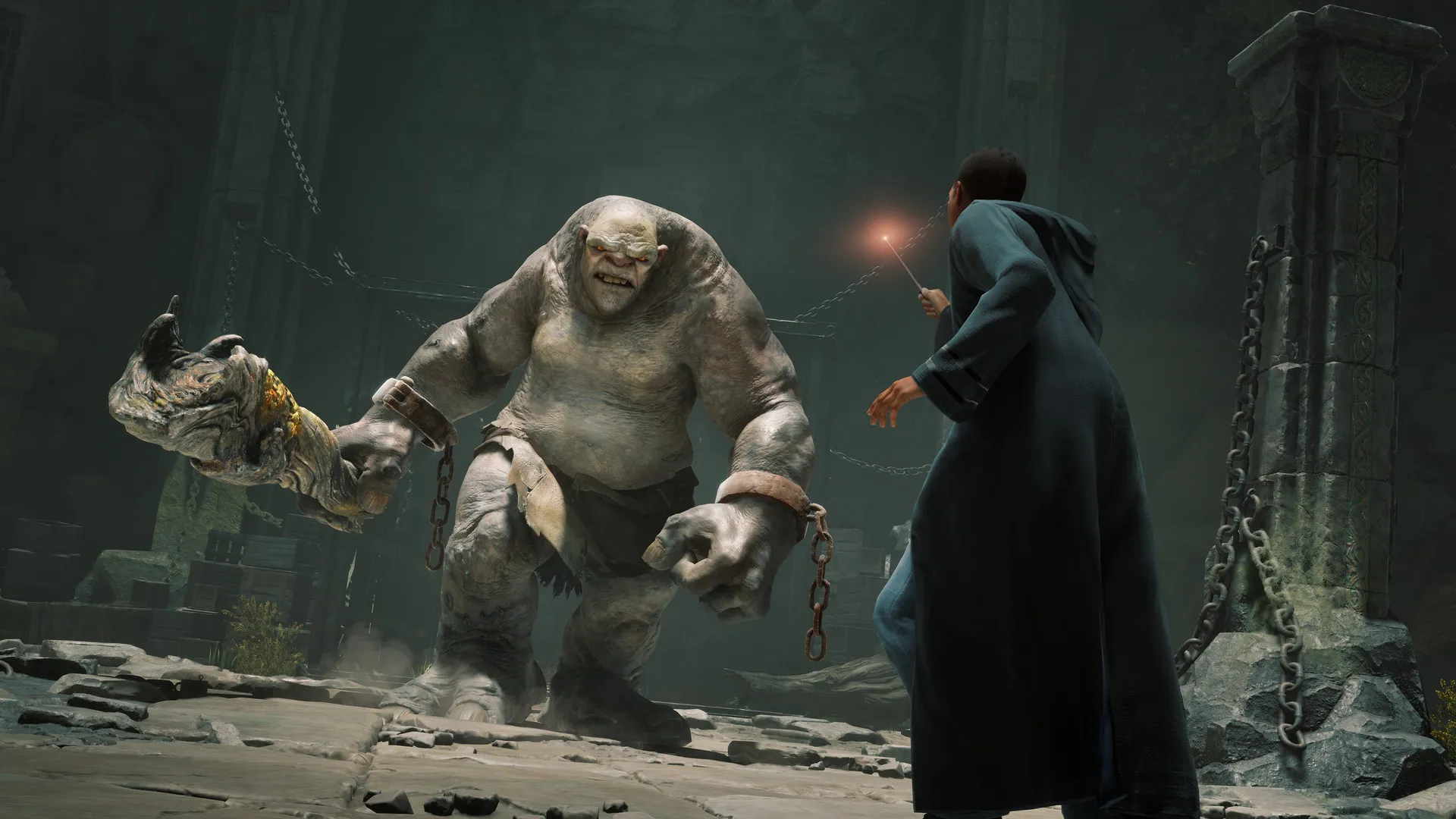
6. The Ministry’s Silence: Institutional Fear
One of the most intriguing aspects of the Ancient Magic dilemma is the Ministry of Magic’s near‑total absence. Their silence suggests a deep institutional fear — perhaps rooted in past catastrophes involving Ancient Magic.
This lack of involvement leaves the protagonist without official guidance and highlights the magical government’s flaws.
Implications of Ministry Inaction
- Encourages underground research
- Creates power vacuums
- Fosters distrust among magical communities
7. The Emotional Toll: Isolation and Identity
As the story progresses, the protagonist becomes increasingly isolated. Their unique abilities separate them from classmates, teachers, and even friends. This emotional distance is subtle but ever‑present.
The Ancient Magic dilemma becomes not just a question of power but of identity. Who is the protagonist without this ability?
Signs of Emotional Strain
- Hesitation to share secrets with friends
- Growing dependence on Fig
- Dialogue choices expressing self‑doubt
8. The Final Choice: Seal or Release the Power
The climax of Hogwarts Legacy centers on a monumental decision: whether to lock Ancient Magic away or embrace it. Neither option is framed as purely right or wrong.
Sealing the power reflects humility and caution. Keeping it reflects confidence — or hubris. The ambiguity is intentional.
Factors Influencing the Decision
- Isidora’s tragic example
- Ranrok’s destructive obsession
- The Keepers’ warnings
9. Aftermath: Living With the Consequences
Regardless of the choice, the aftermath is heavy. The protagonist must live with the knowledge that they alone shaped the future of Ancient Magic. There is no celebration — only quiet responsibility.
The Ancient Magic dilemma does not end with the final battle. It becomes a lifelong burden.
Lingering Questions
- Will the Ministry eventually intervene?
- Can Ancient Magic ever be fully controlled?
- What legacy does the protagonist leave behind?
10. The Unspoken Message: Power, Trauma, and Choice
At its deepest level, Hogwarts Legacy uses Ancient Magic as a metaphor for trauma, privilege, and the burden of exceptionalism. The protagonist’s journey mirrors real‑world struggles with identity and responsibility.
The game does not preach. Instead, it invites players to reflect on how power shapes individuals and societies.
Core Themes
- The danger of suppressing knowledge
- The emotional cost of being exceptional
- The moral ambiguity of power
Conclusion
The Ancient Magic dilemma in Hogwarts Legacy is far more than a plot device. It is a thoughtful exploration of power, responsibility, and identity. Through the protagonist’s journey, the game challenges players to consider how they would handle extraordinary abilities.
Though set in a fantasy world, the themes resonate deeply with real human experiences. Power always comes with a price — and not everyone is prepared to pay it.