The Coordination Crisis: A Deep Analysis of Team Communication in ARC Raiders
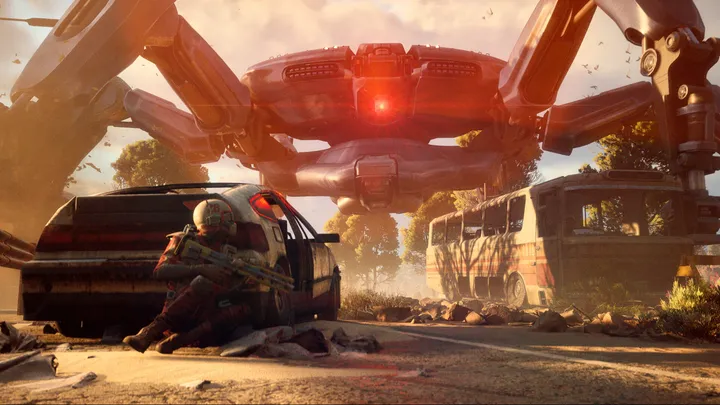
ARC Raiders is a cooperative, extraction‑style shooter built around teamwork, improvisation, and survival against overwhelming mechanical forces known as the ARC. While the game features fast‑paced combat, dynamic environments, and a gritty sci‑fi aesthetic, one issue stands above all others in determining success or failure: team communication. Unlike many shooters where individual skill can compensate for poor coordination, ARC Raiders is designed so that communication is not optional — it is the backbone of the entire experience.
This article explores the communication challenges that define ARC Raiders, analyzing how they emerge, evolve, and shape the player experience. Across ten structured sections, we will examine the psychological, mechanical, and tactical implications of communication, revealing why it is the most critical — and most misunderstood — aspect of the game.
1. The First Drop: How Communication Shapes Early Encounters
The moment a squad drops into the war‑torn landscapes of ARC Raiders, communication becomes essential. Early encounters with ARC drones, scouts, and patrols require quick decision‑making. Without verbal coordination, players often split unintentionally, engage prematurely, or waste resources.
New players frequently underestimate the importance of early communication. They assume the opening minutes are low‑risk, but ARC patrols can escalate quickly. A single miscommunication — or silence — can turn a manageable skirmish into a chaotic retreat.
The Early‑Game Communication Gap
Many squads fail early not because of poor aim, but because they never establish a communication rhythm.
2. The Threat Escalation Problem: When Silence Becomes Deadly
ARC Raiders features a dynamic escalation system. Small engagements can attract larger ARC units, including Seekers, Enforcers, and eventually Titans. This escalation punishes squads that fail to communicate enemy positions, noise levels, or movement plans.
Silence becomes deadly when players assume others see what they see. A Raider who spots a patrol but doesn’t call it out may lead the team into an ambush. Conversely, over‑communication can create noise clutter, drowning out critical information.
H3: The Balance Between Clarity and Noise
Effective teams learn to communicate concisely:
- “Two scouts left ridge”
- “Titan approaching north”
- “Hold fire, patrol crossing”
H4: The Cost of Assumptions
Assuming teammates have the same visibility is one of the most common causes of squad wipes.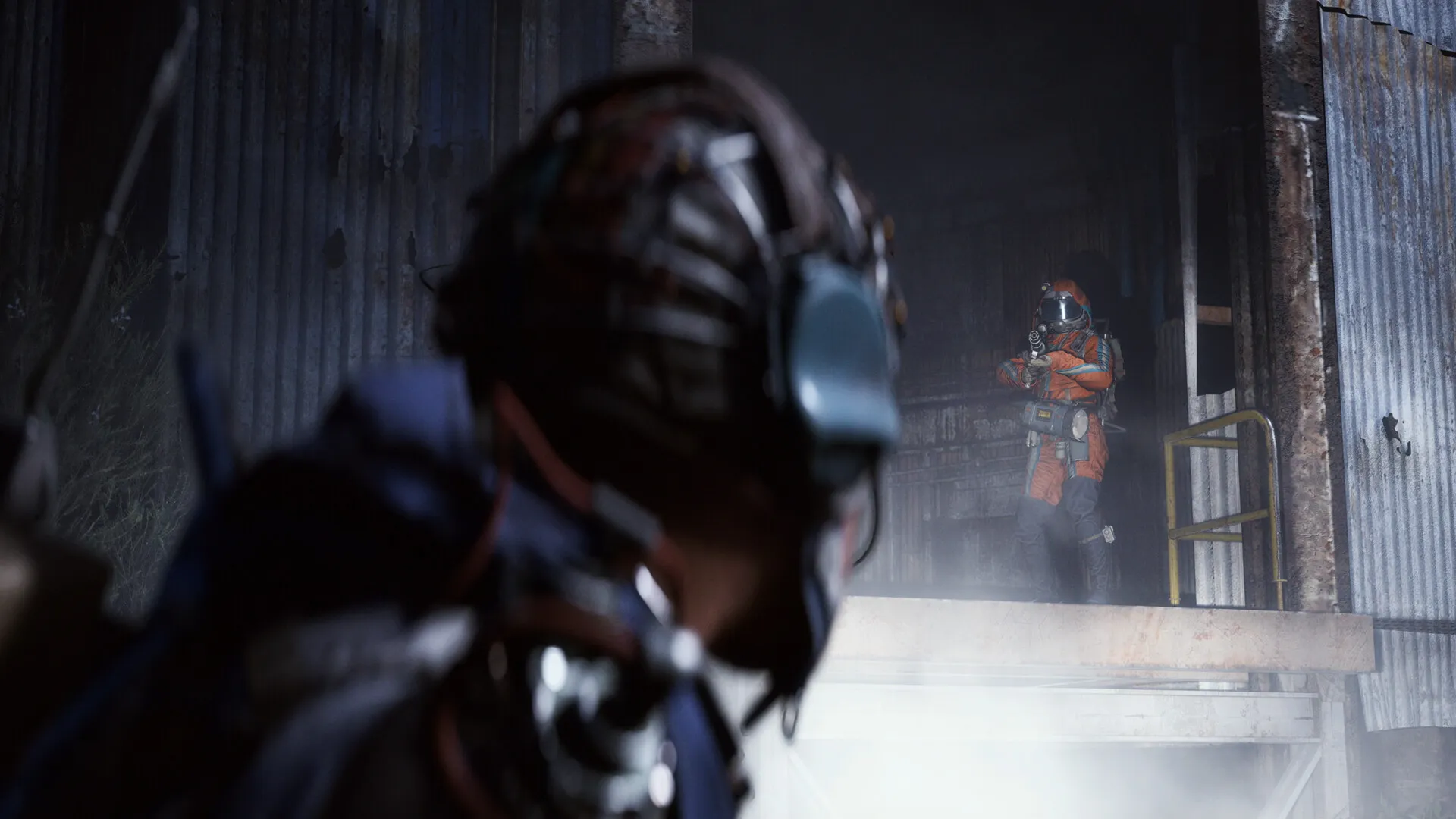
3. Resource Scarcity and the Need for Verbal Coordination
ARC Raiders emphasizes resource scarcity. Ammunition, healing items, and extraction tools are limited. Without communication, players often hoard resources or use them inefficiently.
Teams must coordinate who carries what, who uses consumables, and when to retreat. A squad that communicates resource levels can plan engagements strategically. A silent squad often discovers too late that no one has ammo or healing left.
Resource Management Tips
- Call out low ammo early
- Share healing items proactively
- Assign roles for carrying heavy gear
H4: The Domino Effect
One player running out of ammo can force the entire team into a losing fight.
4. Role Assignment: How Communication Defines Team Identity
ARC Raiders does not enforce strict classes, but players naturally fall into roles: scout, sniper, support, heavy, or engineer. These roles only function when communicated clearly.
A team without role clarity often overlaps responsibilities or leaves critical gaps. For example, two players may assume someone else is watching the flank, or everyone may push forward without a designated overwatch.
H3: Establishing Roles Early
Before engaging:
- Assign a scout
- Assign a long‑range specialist
- Assign a support or utility carrier
H4: Role Drift
Players often drift from their roles mid‑mission unless communication reinforces responsibilities.
5. The Chaos of Combat: Why Real‑Time Callouts Matter
Combat in ARC Raiders is chaotic. ARC units swarm, flank, and coordinate with machine‑like precision. Players must match this precision with real‑time callouts.
Callouts such as enemy direction, unit type, and movement patterns help the team maintain situational awareness. Without them, players tunnel‑vision, lose track of threats, and get overwhelmed.
Effective Combat Callouts
- “Seeker behind us!”
- “Enforcer pushing left!”
- “Drone swarm incoming!”
H4: The Tunnel Vision Trap
Players who focus solely on shooting often forget to communicate, leaving teammates blind.
6. Extraction Tension: The Final Test of Communication
Extraction is the most communication‑intensive phase of ARC Raiders. Once the extraction beacon is activated, ARC forces converge aggressively. Teams must coordinate positioning, defense, and timing.
Many squads fail extraction because they panic, scatter, or fail to communicate cooldowns and resources. Extraction requires a unified plan, not improvisation.
Extraction Communication Checklist
- Assign defensive positions
- Call out enemy waves
- Coordinate heavy weapon usage
- Communicate when to fall back
H4: The Panic Spiral
When one player panics, the entire squad often collapses.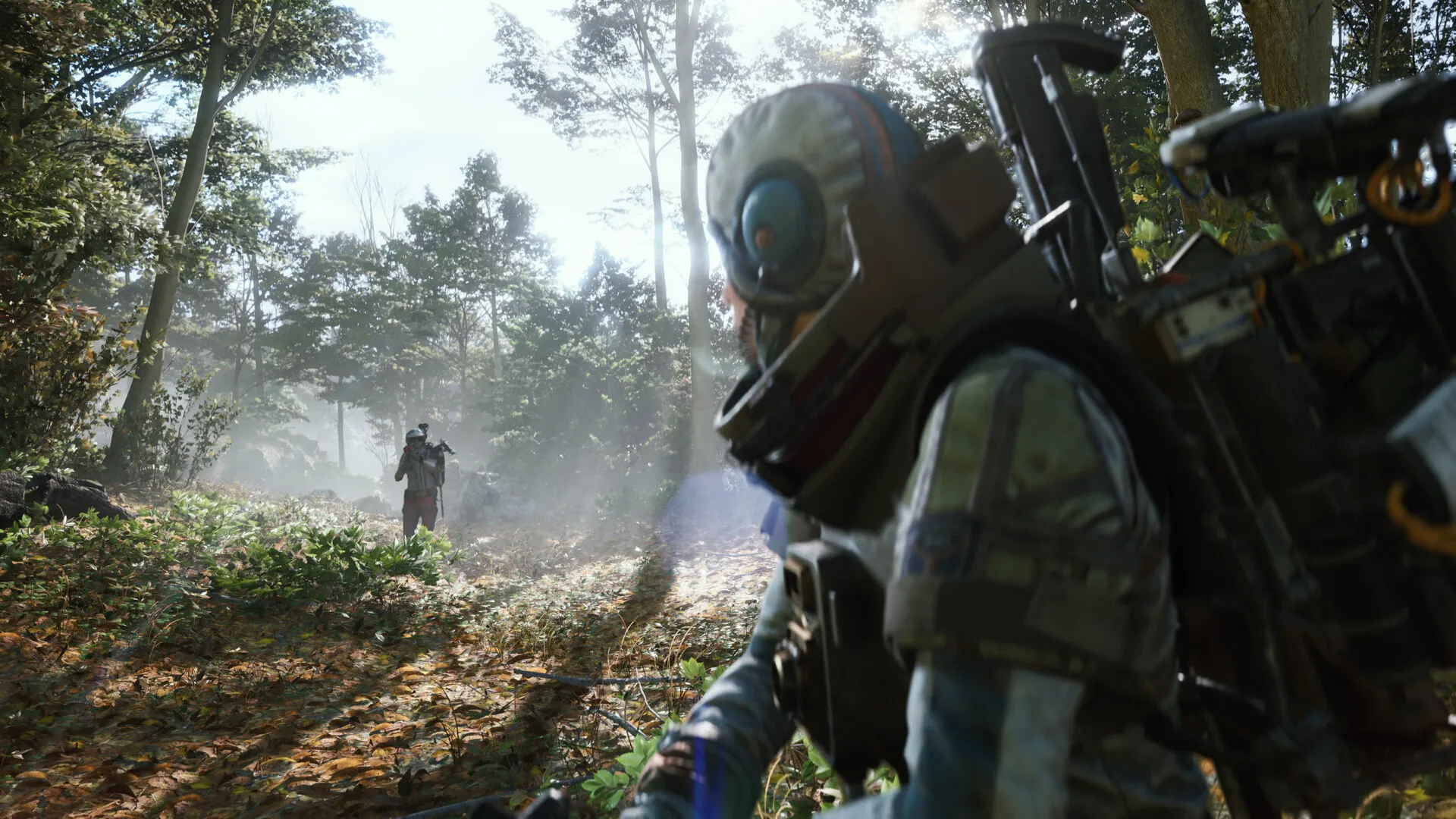
7. The Ping System: Helpful but Not Enough
ARC Raiders includes a ping system, but it is not a substitute for voice communication. Pings can mark enemies, resources, or objectives, but they lack nuance.
Pings cannot convey urgency, strategy, or intent. They also cannot warn teammates about unseen threats or communicate resource levels. Teams relying solely on pings often struggle in high‑pressure situations.
H3: When Pings Work
- Marking loot
- Highlighting enemy positions
- Indicating movement direction
H4: When Pings Fail
- Coordinating flanks
- Calling out multiple threats
- Managing resources
8. The Psychological Barrier: Why Players Avoid Communication
Many players hesitate to communicate due to anxiety, language barriers, or fear of being judged. ARC Raiders’ cooperative nature can amplify these fears, as players worry about making mistakes.
However, silence harms the team more than imperfect communication. Even basic callouts dramatically improve survival rates. Overcoming the psychological barrier is essential for team success.
Reasons Players Stay Silent
- Fear of sounding inexperienced
- Language differences
- Negative past experiences
H4: Building Communication Confidence
Start with simple callouts and gradually expand as comfort grows.
9. The Leadership Problem: When No One Takes Charge
Every ARC Raiders squad needs a leader — not a dictator, but someone who guides decisions. Without leadership, teams wander aimlessly, engage recklessly, or fail to extract.
Leadership can rotate, but someone must call the shots during critical moments. Teams without leadership often fall victim to indecision, hesitation, or conflicting actions.
Leadership Responsibilities
- Choosing engagement strategies
- Calling retreats
- Coordinating extraction
- Assigning roles
H4: The Silent Leader Issue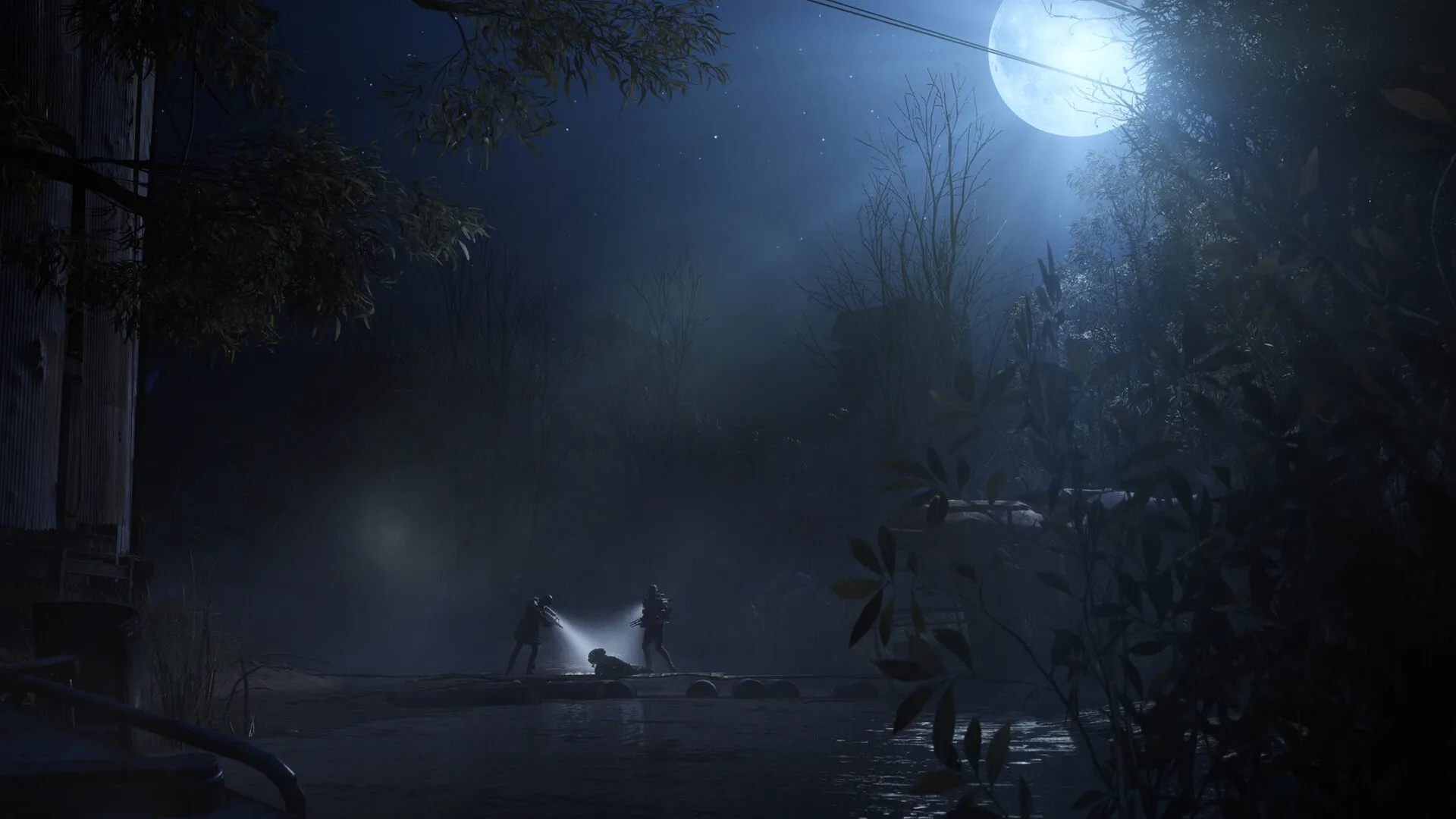
Some players lead through action but fail to verbalize their intentions, leaving teammates confused.
10. The Path to Mastery: Building a Communication Culture
Mastering ARC Raiders requires more than mechanical skill — it requires building a communication culture within your squad. This culture emphasizes clarity, respect, and consistency.
Teams that communicate effectively develop trust, synergy, and adaptability. They learn each other’s tendencies, strengths, and weaknesses. Over time, communication becomes instinctive, transforming the squad into a cohesive unit capable of surviving even the most overwhelming ARC assaults.
Building a Communication Culture
- Encourage callouts
- Avoid blame
- Celebrate good communication
- Review mistakes constructively
H4: The Final Lesson
Communication is not a mechanic — it is the heart of ARC Raiders.
Conclusion
ARC Raiders is a game built on cooperation, strategy, and survival. While its world is filled with mechanical threats and dynamic encounters, the true challenge lies in communication. Teams that communicate clearly, consistently, and confidently thrive. Teams that remain silent struggle, regardless of individual skill.
By understanding the communication challenges explored in this article — from early‑game coordination to extraction‑phase chaos — players can transform their ARC Raiders experience. Communication is not just a tool; it is the difference between victory and defeat.