Marvel Rivals: Complete Tips & Guides to Dominate the Multiverse Arena
Introduction
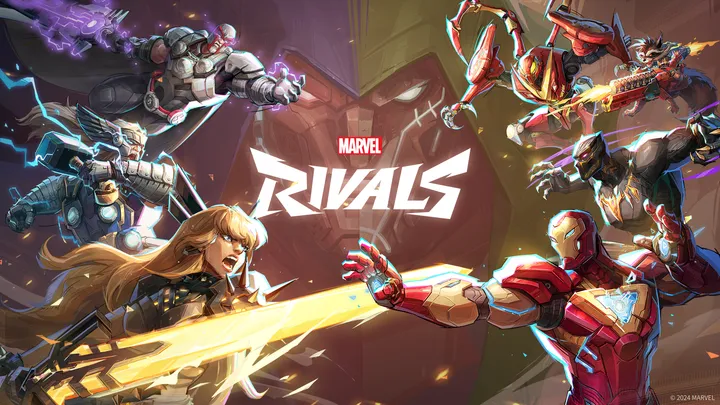
Marvel Rivals is a team-based hero shooter that blends fast-paced action with iconic Marvel characters, destructible environments, and vertical combat. Unlike traditional shooters, success in Marvel Rivals relies heavily on teamwork, ability synergy, positioning, and timing rather than pure mechanical aim. Every hero brings unique tools to the battlefield, and learning how these tools interact is key to winning matches.
For new and returning players alike, Marvel Rivals can feel overwhelming. The pace is fast, the maps constantly change due to destruction, and team fights can swing in seconds. This guide is designed to break the game down in a logical progression, helping you understand core mechanics, hero roles, movement, objectives, and advanced decision-making so you can improve consistently and contribute meaningfully to your team.
1. Understanding the Core Gameplay Loop
Marvel Rivals revolves around objective-based combat rather than simple elimination. Matches are won by controlling zones, pushing objectives, or holding key positions while managing team fights around those goals. Eliminations matter, but only when they help secure space or delay the enemy.
Every match follows a cycle of engagement, retreat, regrouping, and re-engagement. Winning teams understand when to push aggressively and when to fall back. Overcommitting without support often leads to staggered deaths, giving the enemy control of the map and objectives.
Another key element of the gameplay loop is tempo. Teams that control the pace of fights—choosing when and where engagements happen—tend to dominate. Learning to read the flow of the match helps you make smarter decisions instead of reacting too late.
2. Hero Roles and Building Balanced Teams
Although Marvel Rivals does not lock heroes into rigid classes, most characters naturally fit specific roles. Some heroes excel at absorbing damage and holding space, while others specialize in dealing damage, supporting allies, or disrupting enemies.
A balanced team usually includes a mix of durability, damage, mobility, and utility. Teams made entirely of fragile damage heroes often collapse under pressure, while teams lacking damage struggle to secure objectives. Balance allows teams to adapt to different situations and enemy strategies.
Hero selection should also consider map layout and objectives. Vertical maps favor mobile heroes, while tight choke points reward area control and durability. Adjusting hero choices based on context is a major step toward consistent success.
3. Learning Hero Abilities and Synergies
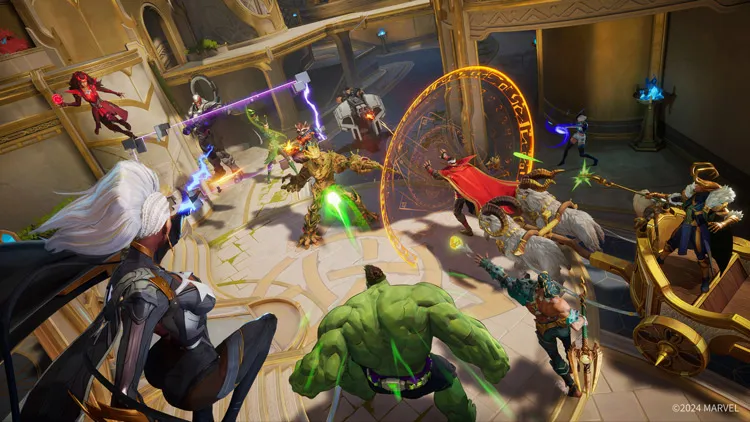
Each hero in Marvel Rivals is built around a unique ability kit that defines how they should be played. Some heroes thrive in close-range combat, others dominate from distance, and some control the battlefield through utility and crowd control.
Ability usage is most effective when abilities are layered rather than dumped all at once. Using abilities too early leaves you vulnerable, while holding them too long can waste opportunities. Understanding cooldown timing helps maintain constant pressure without overextending.
Synergy between heroes dramatically increases effectiveness. Crowd control abilities can set up devastating damage, defensive abilities can enable aggressive pushes, and mobility tools can help teammates reposition safely. Paying attention to what your allies are doing allows you to amplify their impact.
4. Mastering Movement, Verticality, and Positioning
Movement is one of the most important skills in Marvel Rivals. Many heroes can jump, fly, grapple, or climb, making verticality a constant factor in every fight. Ignoring vertical space often leads to being flanked or overwhelmed.
High ground provides better visibility, safer angles, and easier disengagement. Controlling elevated positions forces enemies to expose themselves when attacking. Good players constantly reposition, even during combat, to stay unpredictable.
Positioning is also about using cover effectively. Standing in open areas makes you an easy target, while fighting near cover allows you to break line of sight and survive longer. Small positioning adjustments often determine the outcome of fights.
5. Using Destructible Environments to Your Advantage
Destructible environments are a defining feature of Marvel Rivals. Walls, floors, and cover can be destroyed, reshaping the battlefield in real time. Players who ignore this mechanic miss countless tactical opportunities.
Destroying enemy cover forces repositioning and breaks defensive setups. Removing floors can drop enemies into dangerous areas, while opening new pathways enables flanks that bypass choke points entirely.
Environmental awareness also applies defensively. If your team relies on cover that can be destroyed, reposition early before it collapses. Anticipating how the map will change during fights gives you a significant advantage.
6. Combat Fundamentals and Target Prioritization
Winning fights in Marvel Rivals requires smart decision-making rather than raw aggression. Target priority is crucial. Focusing vulnerable or high-impact enemies first often decides engagements quickly.
Spreading damage across multiple targets usually leads to lost fights. Coordinated focus fire eliminates threats faster and reduces incoming damage. Communication, even without voice chat, improves focus through shared positioning and timing.
Cooldown tracking is another core skill. When enemies use major defensive or mobility abilities, they become vulnerable. Recognizing these windows allows your team to push confidently and secure advantages.
7. Ultimate Abilities and Fight Control
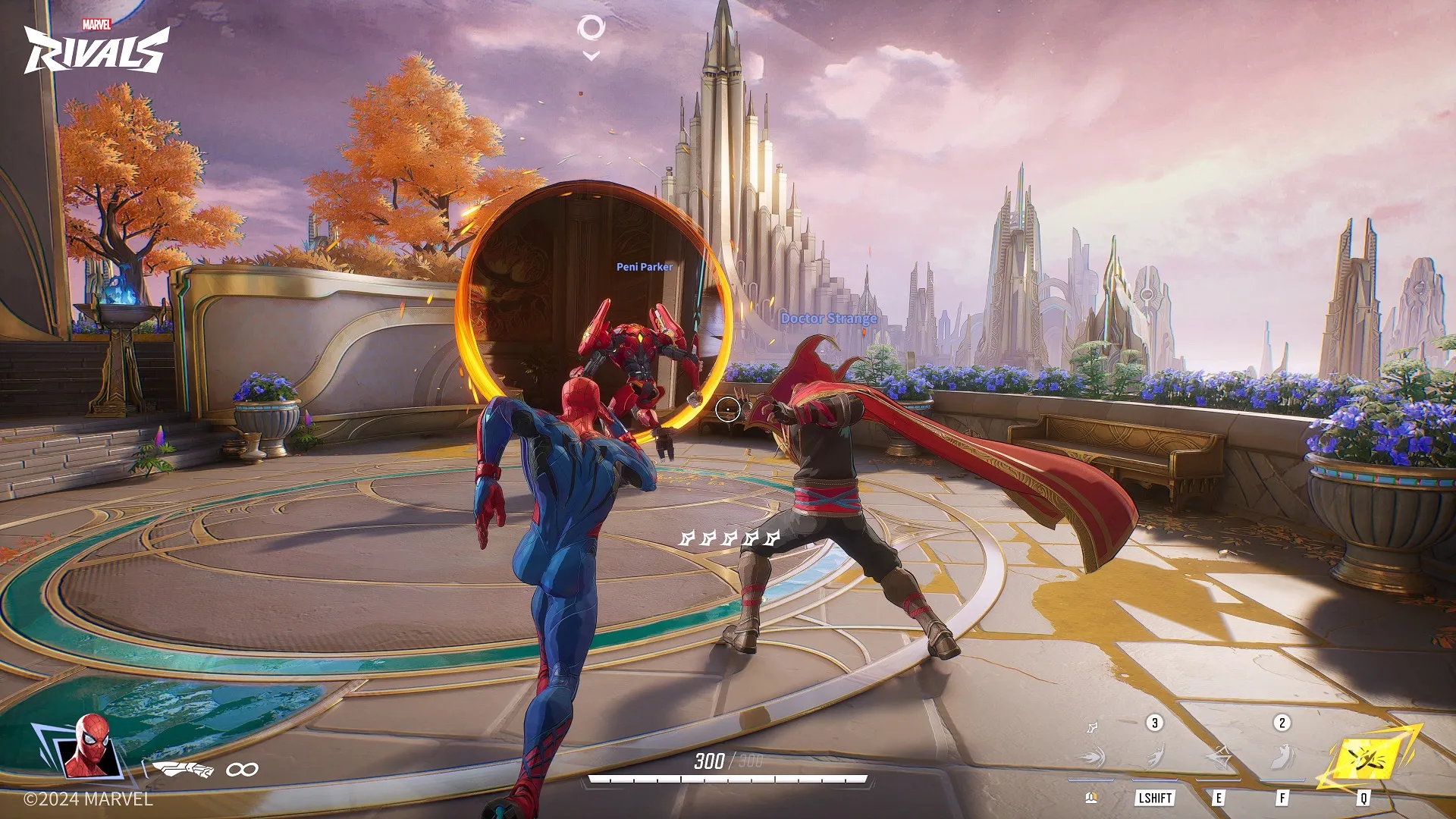
Ultimate abilities are powerful tools that can completely change the course of a match. However, using them without purpose often wastes their potential.
Effective ultimate usage is about timing and context. Waiting for enemies to group, overextend, or commit key abilities increases the impact of your ultimate. Using ultimates to secure objectives is often more valuable than chasing eliminations.
Tracking enemy ultimates is equally important. Playing cautiously when opponents have multiple ultimates ready prevents devastating losses. Conversely, aggressive play is encouraged when your team holds the ultimate advantage.
8. Objective Control and Match Awareness
Objectives win matches in Marvel Rivals. Players who tunnel vision on fights often lose games despite high elimination counts. Understanding when to contest, stall, or disengage is essential.
Sometimes delaying the enemy for a few seconds is more valuable than winning a fight. Contesting objectives forces opponents to respond and can buy time for teammates to return.
Spawn locations, timers, and map control all influence objective decisions. Strong match awareness allows you to make proactive choices rather than reacting too late.
9. Adapting to Enemy Strategies Mid-Match
No single strategy works forever. Good teams constantly adapt based on enemy behavior, hero picks, and positioning.
If the enemy relies on shields or defensive setups, switching to heroes with area damage or disruption can break their formation. If flanking heroes are causing problems, grouping closer or adjusting positioning reduces their impact.
Adaptation also includes changing how you engage. Altering routes, baiting abilities, or slowing the pace can dismantle even well-coordinated enemy teams.
10. Improving Consistency and Long-Term Skill
Consistent improvement in Marvel Rivals comes from reflection and focus. Playing many matches without learning leads to stagnation, while intentional practice produces results.
Mastering a small pool of heroes builds deeper understanding of matchups and mechanics. Reviewing mistakes, watching skilled players, and focusing on one improvement goal at a time accelerates progress.
Maintaining a healthy mindset is equally important. Taking breaks, avoiding tilt, and playing with a learning-focused attitude leads to steady long-term growth.
Conclusion
Marvel Rivals is a layered, strategic hero shooter that rewards teamwork, awareness, and intelligent decision-making. Players who understand hero roles, movement, environmental destruction, and objective play consistently outperform those who rely solely on mechanical skill.
By applying the tips and strategies in this guide—step by step—you can improve your performance, contribute more effectively to your team, and enjoy Marvel Rivals at a deeper level. Mastery comes not from rushing fights, but from understanding how every element of the battlefield connects.
160-Character Summary
A complete Tips & Guides article for Marvel Rivals covering heroes, movement, objectives, ultimates, positioning, and strategies to improve consistency and win more matches.