.webp)








Monster Hunter Wilds marks a bold evolution of the Monster Hunter franchise, expanding the hunting experience into vast, seamless ecosystems filled with dynamic weather, living biomes, and monsters that behave more naturally than ever before. Unlike previous entries, Wilds emphasizes adaptation, preparation, and environmental awareness as much as raw combat skill. This is not a game about button-mashing—it is about reading the world, understanding your prey, and surviving harsh environments while executing precise hunts.
This guide focuses on how to play Monster Hunter Wilds effectively, starting from your very first hunt and progressing all the way to endgame mastery. Whether you are new to the series or a veteran hunter adjusting to Wilds’ systems, this article walks you through the journey in a chronological, skill-building way.
H2 1. How to Prepare Before Your First Hunt
Before you ever swing a weapon, Monster Hunter Wilds demands preparation. The open-world structure means you can no longer rely solely on fixed camps and predictable encounters. You must prepare for long expeditions where weather, terrain, and roaming monsters affect every decision.
Start by understanding your base camp and loadout systems. You’ll need to pack healing items, rations, traps, and environmental tools. Unlike older games, forgetting supplies in Wilds can mean disaster when you’re far from safety.
H3 Understanding the New Expedition Flow
Hunts no longer feel isolated. Monsters migrate, environments change, and new threats can appear mid-hunt.
H4 Pre-Hunt Checklist
- Potions and Mega Potions
- Rations or cooked meals
- Traps and tranq items
- Environmental tools (grapples, cloaks)
H2 2. How to Choose the Right Weapon for Your Playstyle
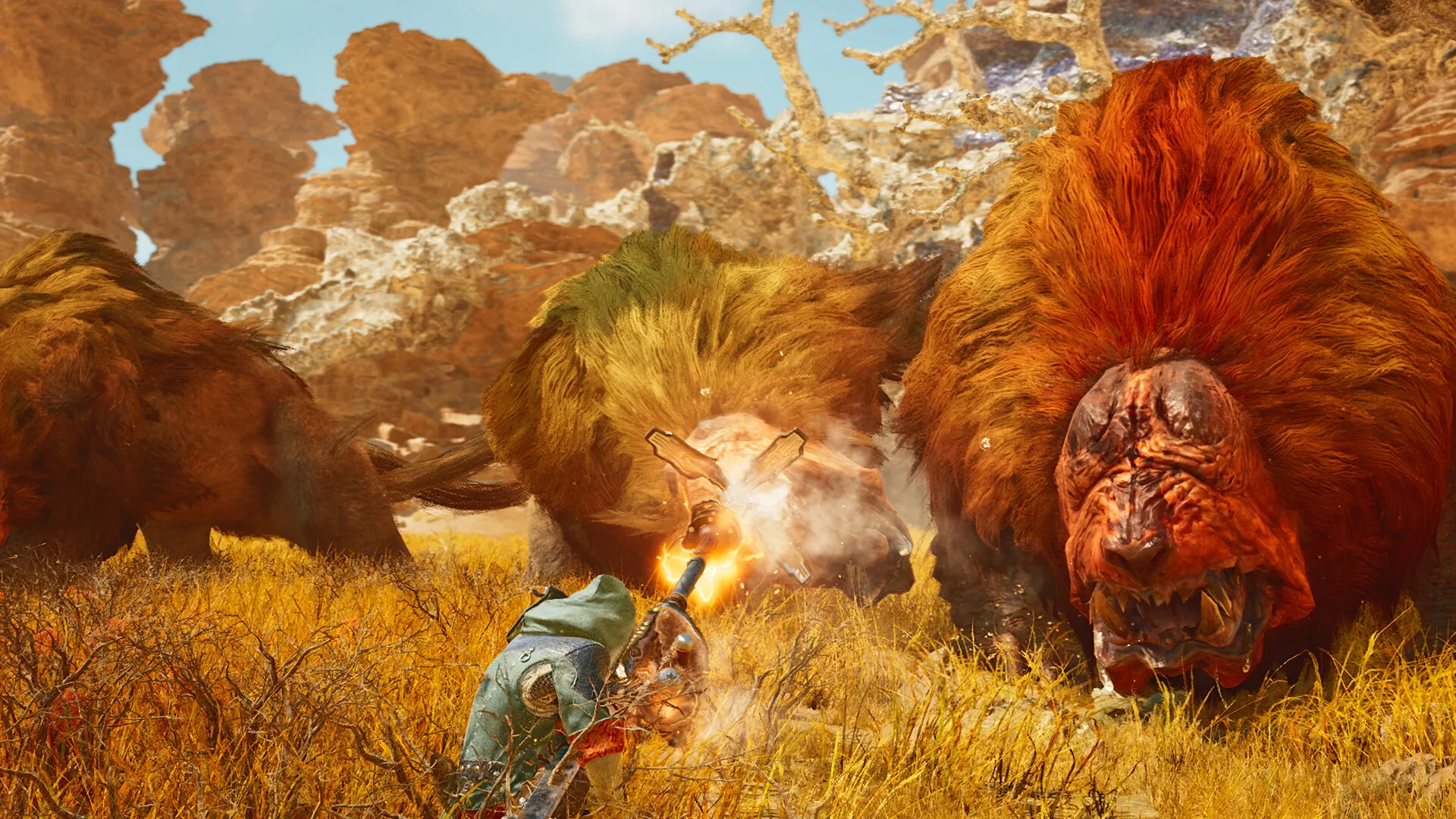
Monster Hunter Wilds retains the iconic weapon roster but rebalances them to fit the larger, more reactive world. Choosing the right weapon is not about damage alone—it’s about mobility, stamina usage, and adaptability.
Heavier weapons hit harder but struggle in harsh terrain or storms. Lighter weapons offer flexibility but require precision. Experiment early and commit once you understand your rhythm.
H3 Weapon Categories Explained
- Heavy weapons: Great Sword, Hammer, Lance
- Agile weapons: Dual Blades, Insect Glaive
- Tactical weapons: Bow, Light Bowgun
H4 Practice Before Commitment
Spend time in training zones and low-rank hunts to test stamina drain and positioning.
H2 3. How to Read Monsters and Predict Their Behavior
Monsters in Wilds are not just targets—they are part of a living ecosystem. They react to weather, other monsters, and player behavior. Learning to observe them is more important than learning combos.
Watch how a monster moves, rests, or reacts to injuries. Limping, changes in aggression, or fleeing into specific terrain often signal phase changes in the fight.
H3 Behavioral Tells
Tail flicks, wing positioning, and vocal patterns reveal upcoming attacks.
H4 Environmental Interaction
Some monsters use sandstorms, floods, or cliffs to their advantage—turn these against them.
H2 4. How to Use the Environment to Win Hunts
Monster Hunter Wilds is the most environment-driven entry in the series. Weather can obscure vision, drain stamina, or empower monsters. Terrain affects movement, dodging, and attack angles.
Smart hunters don’t fight monsters on their terms—they lure them into unfavorable zones, collapse terrain, or trigger environmental hazards.
H3 Environmental Weapons
- Rockfalls
- Mud traps
- Storm exposure
H4 Positioning Matters
High ground improves reach; narrow spaces limit monster mobility but increase danger.
H2 5. How to Manage Stamina, Health, and Resources
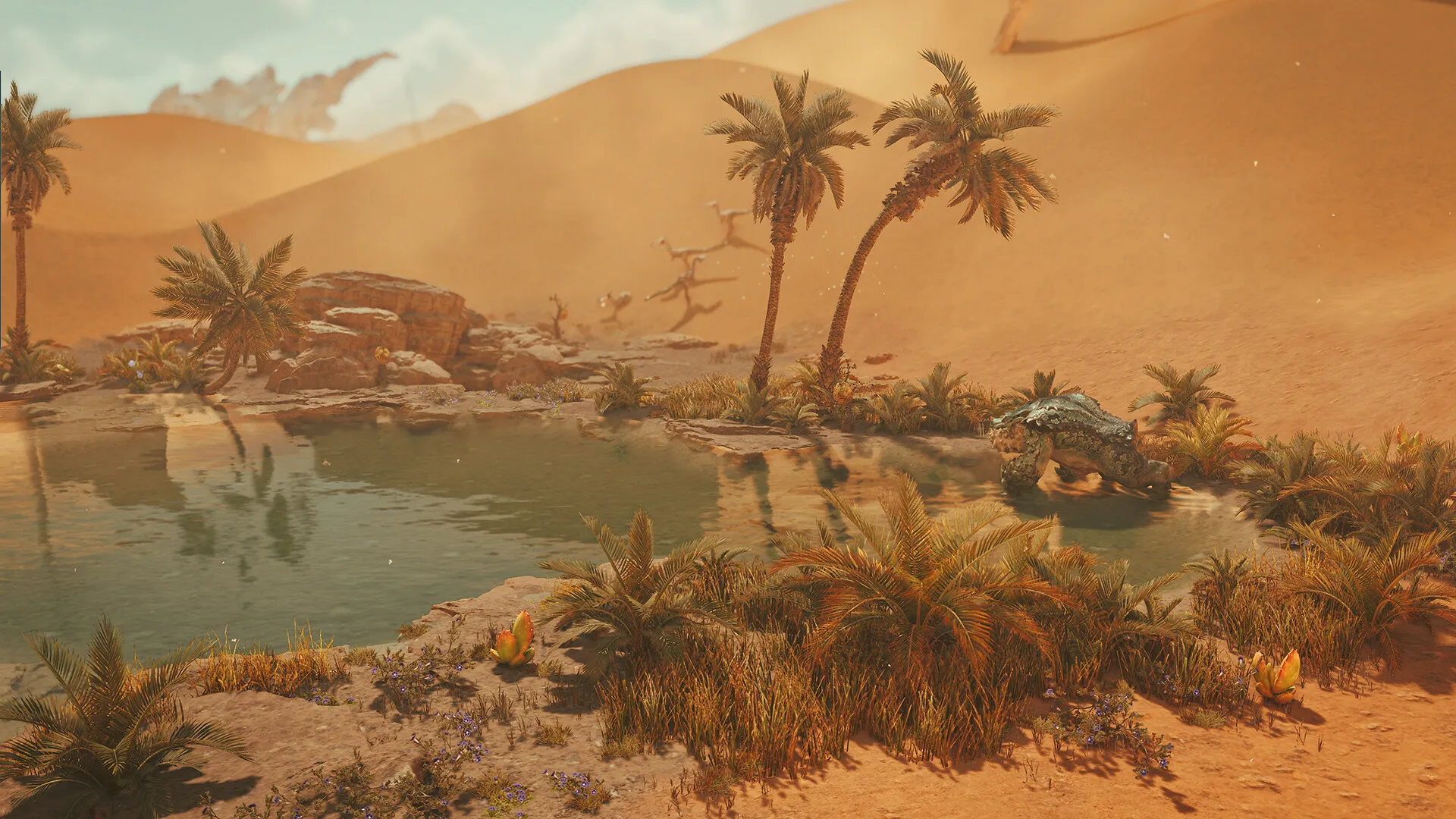
Long hunts mean attrition matters. Stamina drains faster in heat, cold, or storms. Health recovery is slower if you’re poorly fed or wounded repeatedly.
Learning when to disengage is a skill. Backing off to heal or sharpen can save a hunt that reckless aggression would ruin.
H3 Stamina Control
Avoid constant sprinting; use walking and terrain slides efficiently.
H4 Resource Discipline
Never spam items—every potion is time and vulnerability.
H2 6. How to Track, Chase, and Capture Monsters
Tracking in Wilds is more organic than ever. Monsters leave physical trails, disturbed terrain, and environmental clues. Pay attention to broken foliage, sounds, and weather changes.
Capturing monsters becomes more tactical due to dynamic movement patterns and shared habitats with other large creatures.
H3 Tracking Clues
- Footprints and claw marks
- Blood trails
- Fleeing prey animals
H4 Capture Timing
Wait for exhaustion or limping phases before deploying traps.
H2 7. How to Craft and Upgrade Gear Efficiently
Crafting in Monster Hunter Wilds emphasizes specialization. Instead of building everything, focus on sets that match your weapon and environment.
Upgrade paths branch more than before, so planning matters. Building the wrong gear can slow progression significantly.
H3 Armor Synergy
Match skills to weapon mechanics, not raw defense.
H4 Upgrade Priorities
- Weapon sharpness or ammo efficiency
- Elemental resistance
- Stamina-related skills
H2 8. How to Survive Multiplayer Hunts and Coordinate Teams
Multiplayer hunts in Wilds are chaotic but powerful when coordinated. Roles matter more than ever due to large environments and multiple monster interactions.
Communication and positioning prevent overlap and friendly interference.
H3 Team Roles
- Aggro controller
- Damage dealer
- Support/healer
H4 Avoiding Common Team Mistakes
Don’t cluster, don’t over-stagger monsters, and respect positioning.
H2 9. How to Handle High-Rank and Apex Monsters
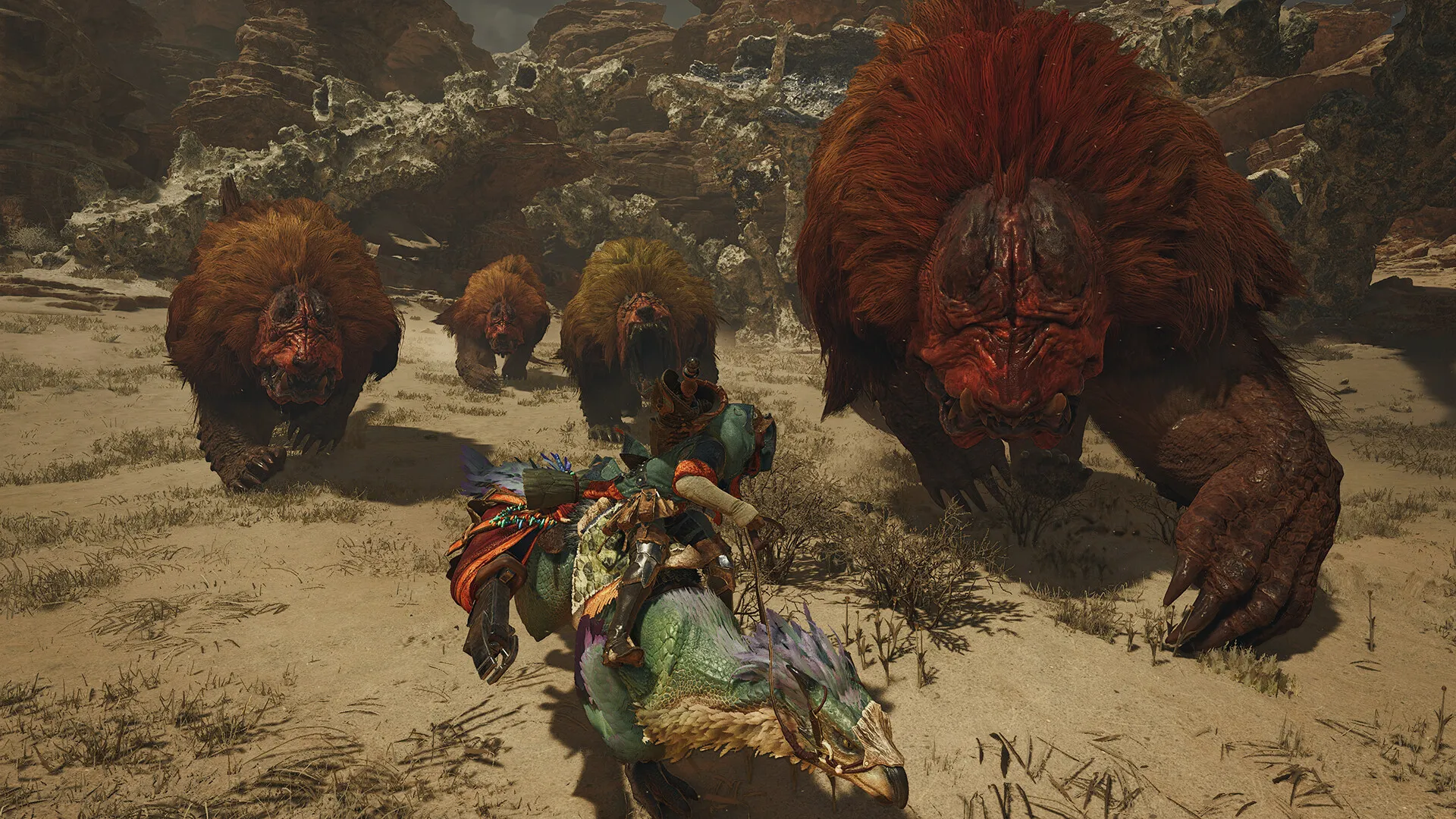
High-rank hunts introduce monsters that exploit environment mastery. Apex monsters adapt mid-fight, change territories, and punish predictable behavior.
These hunts test patience, positioning, and resource management more than reflexes.
H3 Preparation Is Mandatory
Eat properly, upgrade gear, and plan escape routes.
H4 Learn Through Failure
Every loss teaches timing, tells, and weaknesses.
H2 10. How to Master Monster Hunter Wilds Long-Term
True mastery comes from consistency. Veteran hunters read environments instinctively, prepare efficiently, and stay calm under pressure.
Wilds rewards hunters who think like survivors rather than warriors.
H3 Develop Personal Systems
Routines for prep, combat flow, and recovery reduce mistakes.
H4 Respect the World
The ecosystem is as dangerous as the monsters—use it wisely.
Monster Hunter Wilds is not just about slaying monsters—it is about adapting to a living world that reacts to your presence. Success comes from preparation, observation, and restraint as much as skillful combat. By learning how to use the environment, read monster behavior, manage resources, and grow strategically, you evolve from a rookie hunter into a true apex predator. The wilds are unforgiving—but mastery is deeply rewarding.